
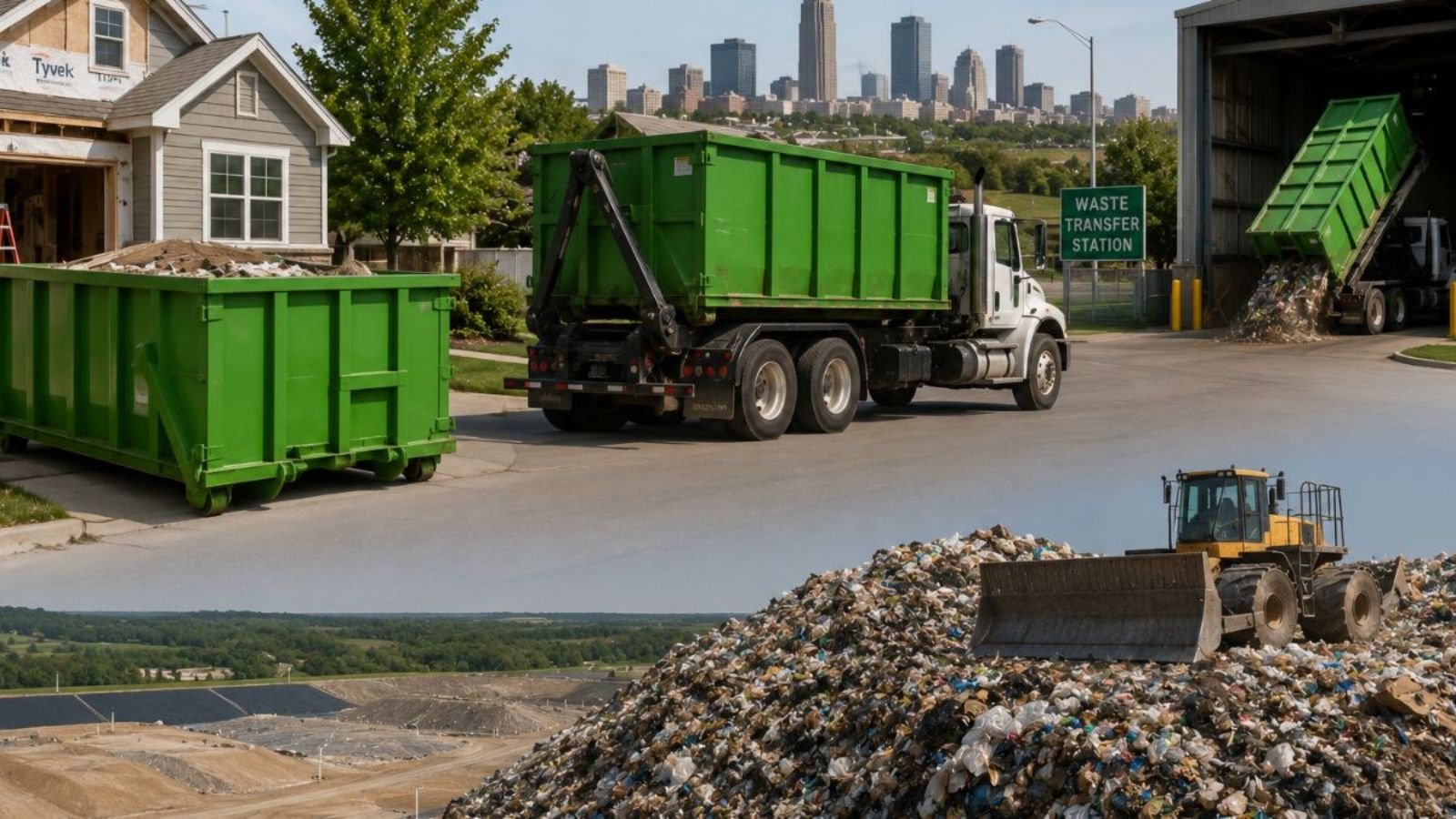
When a dumpster leaves a property, most people only see the beginning and the end of the process. The container arrives, waste is loaded, and the dumpster is eventually hauled away.
Behind that pickup is a larger system involving transportation, sorting, processing, and disposal. Every load follows a path that determines how discarded materials are managed after leaving a home, business, or construction site.
For property owners, knowing what happens after pickup provides more context about the waste removal process. Omaha dumpster services support cleanouts, remodeling projects, construction work, and other property improvements.
Before the Dumpster Is Picked Up
A dumpster’s path begins while it is still sitting on the job site.
The type of project and materials being removed influence how the waste will be handled after collection. A garage cleanout may contain furniture, boxes, and household items, while a remodeling project may include drywall, flooring, cabinets, and construction debris.
Before a dumpster arrives, project details help determine the right approach:
- The amount of material being removed
- The types of waste being collected
- The available space for container placement
- Any materials that require separate disposal
Preparing for these factors helps avoid issues during loading and pickup.
After the Dumpster Leaves
Once the container is collected, it is transported to a facility where the materials can be processed.
Moving a loaded dumpster requires careful handling. The container must be secured properly, transported safely, and delivered to a location equipped to manage the materials inside.
The pickup is only the transition point between the job site and the next stage of waste management.
Inside Omaha Dumpster Services
At a processing facility, dumpster contents are reviewed and separated based on material type and condition.
Mixed loads often include:
- Wood from construction and remodeling projects
- Cardboard and packaging materials
- Metal items
- Furniture and household belongings
- Drywall and building materials
- Yard debris from outdoor projects
Materials from a clean construction project may be easier to separate than a mixed household cleanup containing multiple types of waste. The condition and combination of materials can affect how efficiently they move through the processing system.
Why Material Types Affect Disposal
What goes into a dumpster can affect how efficiently the load moves through the waste management process.
A container filled with remodeling debris, household items, and yard waste may be accepted, but certain materials require separate handling and should not be mixed with standard waste. Knowing what belongs in the dumpster before loading helps prevent delays during collection and reduces issues once the container reaches a processing facility.
Before filling a dumpster, it is helpful to:
- Separate restricted materials that require special disposal
- Avoid overloading the container above the fill line
- Break down bulky items to maximize available space
- Follow the disposal guidelines provided for the rental
Small decisions made during loading can help the collection and disposal process move more smoothly.
How Local Projects Shape Waste
The type of work happening throughout Omaha affects the materials commonly placed in dumpsters.
Home improvement projects often involve old fixtures, flooring, cabinets, and drywall. Outdoor property work may produce branches, fencing materials, and landscaping debris. Commercial projects can generate larger amounts of packaging, construction materials, and job site waste.
Each project creates a different cleanup challenge. A contractor completing a renovation may need a different waste approach than a homeowner clearing out a property before a move.
Materials That Need Special Handling
Not every item removed from a property belongs in a standard dumpster.
Certain materials may require specialized disposal because of safety concerns or local requirements. These can include:
- Hazardous chemicals
- Batteries
- Certain electronics
- Paint products
- Other restricted materials
Checking disposal guidelines before loading a container helps prevent problems during collection and processing.
Where Waste Goes After Processing
After materials are sorted and processed, they continue to their final destination.
Some materials may be recycled or prepared for another use, while others are transported to approved disposal facilities. The outcome depends on the type of waste collected, its condition, and the processing options available after the dumpster leaves the job site.
Choosing the Right Waste Removal Approach
Every cleanup project creates a different type of waste, which is why the removal process starts with identifying what needs to be discarded.
Whether the project involves a renovation, property cleanup, construction work, or land improvement, selecting the appropriate dumpster and following disposal guidelines helps keep the project organized.
Omaha dumpster services connect temporary on-site waste collection with the larger disposal process that follows. With the right preparation and container selection, property owners can manage cleanup projects more effectively while knowing where discarded materials go next.
Gretna Containers provides dumpster rentals for residential, commercial, and construction projects throughout Omaha and surrounding communities. By matching dumpster options with project needs, the company supports organized waste removal from the initial cleanup through final disposal.
Frequently Asked Questions
Where does dumpster waste go after pickup?
After pickup, dumpster waste is transported to a processing facility where materials are sorted and handled based on their type and condition. Some items may be recycled or reused, while remaining waste is sent to approved disposal facilities.
Can all materials go into a dumpster?
No. Certain materials, including hazardous chemicals, batteries, electronics, and restricted waste, may require separate disposal methods. Checking accepted materials before loading helps prevent issues during collection.
Why does the type of waste matter?
Different materials require different handling methods after leaving the property. Identifying the waste type helps ensure materials are processed correctly and disposed of through the proper channels.
Does the project type affect dumpster selection?
Yes. Renovations, cleanouts, construction projects, and landscaping work can create different waste volumes and materials. Choosing a dumpster based on the project helps keep the cleanup process organized.
Why should waste removal be planned before starting a project?
Planning helps determine the right container size and identify materials that may require special handling. A clear waste removal plan can reduce delays and improve job site organization.
Gretna Containers – Dumpster Rental Omaha
Our company’s goals are to provide top-notch customer service at an affordable price without compromising the quality of containers. We are Omaha’s leading provider of dumpster rentals for residential and commercial needs. Give Gretna Containers a call today or book your dumpster rental online now.