
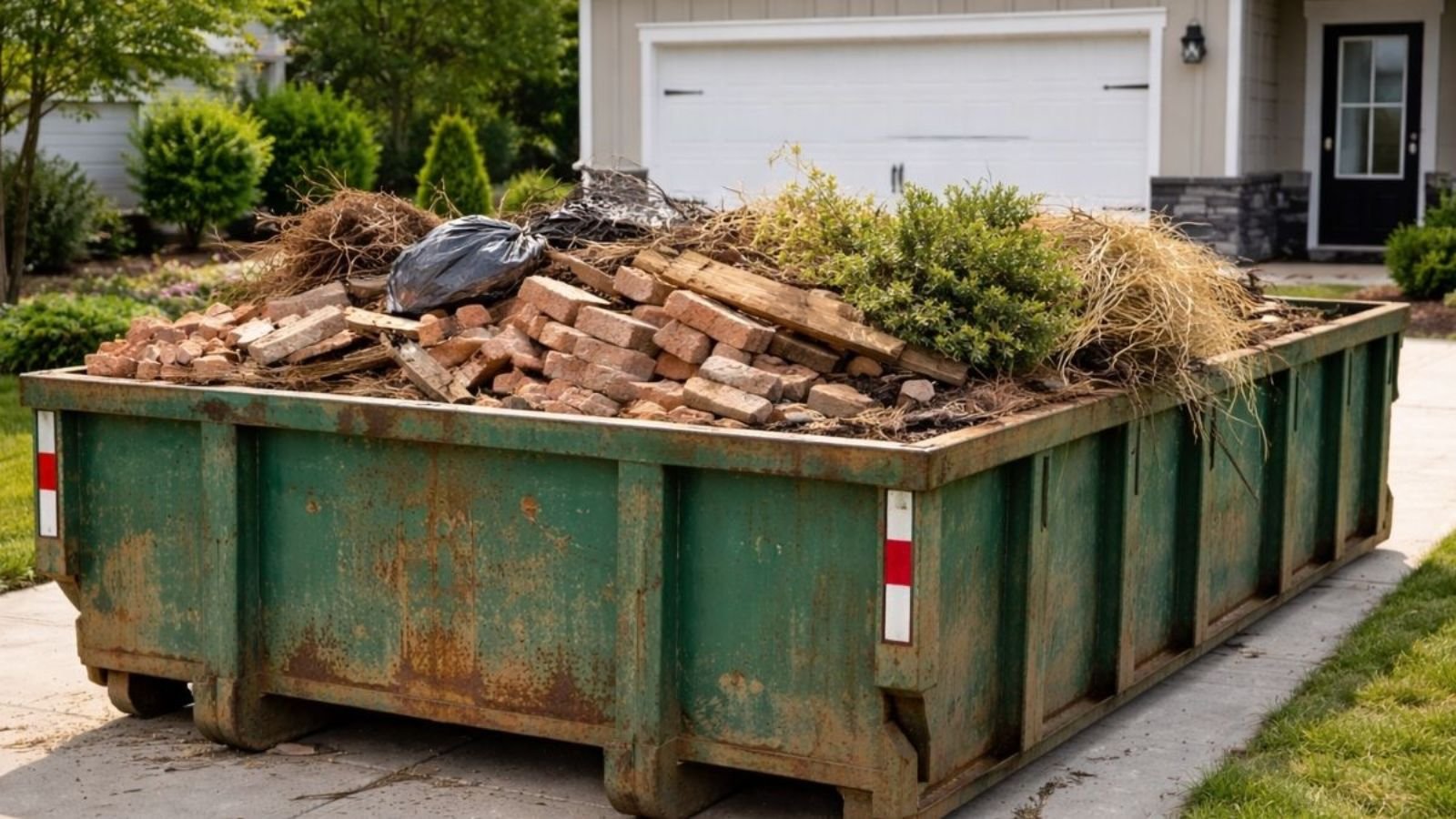
A dumpster rental is a vital tool when redesigning outdoor spaces and completing landscaping projects. It helps remove old sod, tree debris, and other materials. A centralized container makes cleanup easier and keeps the project organized. Without one, piles of waste can build up, creating hazards and slowing work.
A dumpster also makes handling large amounts of debris much easier. Garden soil, rocks, branches, and old fencing can be placed in the dumpster quickly. This avoids multiple trips to disposal sites.
Having a dumpster encourages proper sorting of materials. Recyclable materials and organic materials can be separated from other waste. This helps prevent pollution and supports responsible disposal.
Benefits of Using a Dumpster in Landscaping Projects
A dumpster for landscaping projects offers several benefits. It improves efficiency, safety, and overall project management.
Improved Efficiency
A dumpster eliminates the need for frequent trips to recycling centers or landfills. This saves time and lets work continue without delays. Old patios, tree branches, and overgrown plants can be removed faster.
- Quick disposal of large debris
- Reduced labor time
- Better management of waste streams
Enhanced Safety
Debris left on the ground can be dangerous. A dumpster keeps materials in one place, reducing trips and falls. Sharp objects, broken tiles, and nails are easier to manage. Using a dumpster can also save money by preventing injuries or damage.
Common Uses for a Dumpster in Landscaping Projects
A dumpster for landscaping projects can be used for many tasks, depending on the project type.
Yard Cleanup and Soil Removal
Old soil, clippings, and plant debris take time to remove manually. A dumpster makes this faster. It also supports local governments by helping with waste reduction.
Hardscape and Construction Debris
Redesigning outdoor spaces often involves building patios, walkways, or retaining walls. A dumpster for landscaping projects can hold debris from construction projects, like broken concrete, bricks, or pavers.
Tree and Shrub Removal
Removing trees or shrubs creates heavy debris. Branches, roots, and clippings can go directly into the dumpster. A dumpster makes it easier to handle materials included in the project and safely manage raw materials.
How to Maximize a Dumpster for Landscaping Projects
Using a dumpster correctly improves efficiency and safety.
Segregate Waste Types
Sorting debris before disposal keeps it organized. Organic waste, like leaves and branches, should be separated from hazardous materials.
| Waste Type | Examples | Notes |
|---|---|---|
| Organic | Leaves, branches, grass clippings | Can be composted; follow proper disposal methods |
| Construction | Concrete, bricks, old fencing | Part of municipal solid waste; requires safe disposal |
| Mixed Debris | Soil, stones, mulch | Best for general use on the construction site |
Monitor Fill Levels
Overfilling a dumpster can be dangerous and may cost extra money. Debris spilling over the sides can create hazards for workers and visitors. Checking the dumpster often keeps all materials safely inside.
This also keeps trash collection on schedule and makes it easier to handle all types of waste. Scheduling pickups before the dumpster is full helps the project stay on track and avoids delays.
Plan Placement Strategically
Where the dumpster is placed can make cleanup faster and safer. Consider these tips for the best setup:
- Place the dumpster on flat, stable ground to prevent tipping.
- Keep it close to the main work area so debris can be moved quickly.
- Avoid blocking driveways, walkways, or access to utilities.
- Ensure it does not damage existing landscaping while allowing easy access for trucks.
Tips for Safe and Effective Dumpster Use
Using a dumpster safely is important for everyone on the site.
- Avoid overloading to prevent tipping
- Keep sharp objects in a separate container before disposal
- Mark the area around the dumpster clearly
Regular maintenance and timely pickups prevent odors, pests, and injuries. Proper use also supports the recycling of recyclable materials and the safe handling of hazardous materials.
Frequently Asked Questions
Why should you have a dumpster when redesigning your landscape?
A dumpster for landscaping projects centralizes debris disposal and keeps the site organized. It allows for safe removal of soil, construction debris, and plant waste. It also helps manage organic materials and waste streams efficiently.
Which materials can a landscaping dumpster hold?
Dumpsters can hold organic materials, construction debris, and mixed materials. Sorting waste improves efficiency and helps with delivery to recycling centers.
How often should a dumpster be emptied during a project?
The frequency depends on how much debris is generated. Checking fill levels and scheduling pickups ensures proper waste disposal and compliance with local regulations.
Can a dumpster help with managing hazardous materials?
Yes, using a dumpster for landscaping projects allows hazardous materials to be kept separate and safely contained. Proper sorting prevents contamination and supports responsible disposal methods.
Will using a dumpster reduce overall project costs?
Proper use of a dumpster can save money by reducing labor time, minimizing trips to landfills, and preventing damage or injuries. Efficient waste management also supports recycling and reusing recyclable materials, further lowering expenses.
Gretna Containers – Dumpster Rental Omaha
Our company’s goals are to provide top-notch customer service at an affordable price without compromising the quality of containers. We are Omaha’s leading provider of dumpster rentals for residential and commercial needs. Give Gretna Containers a call today or book your dumpster rental online now.