
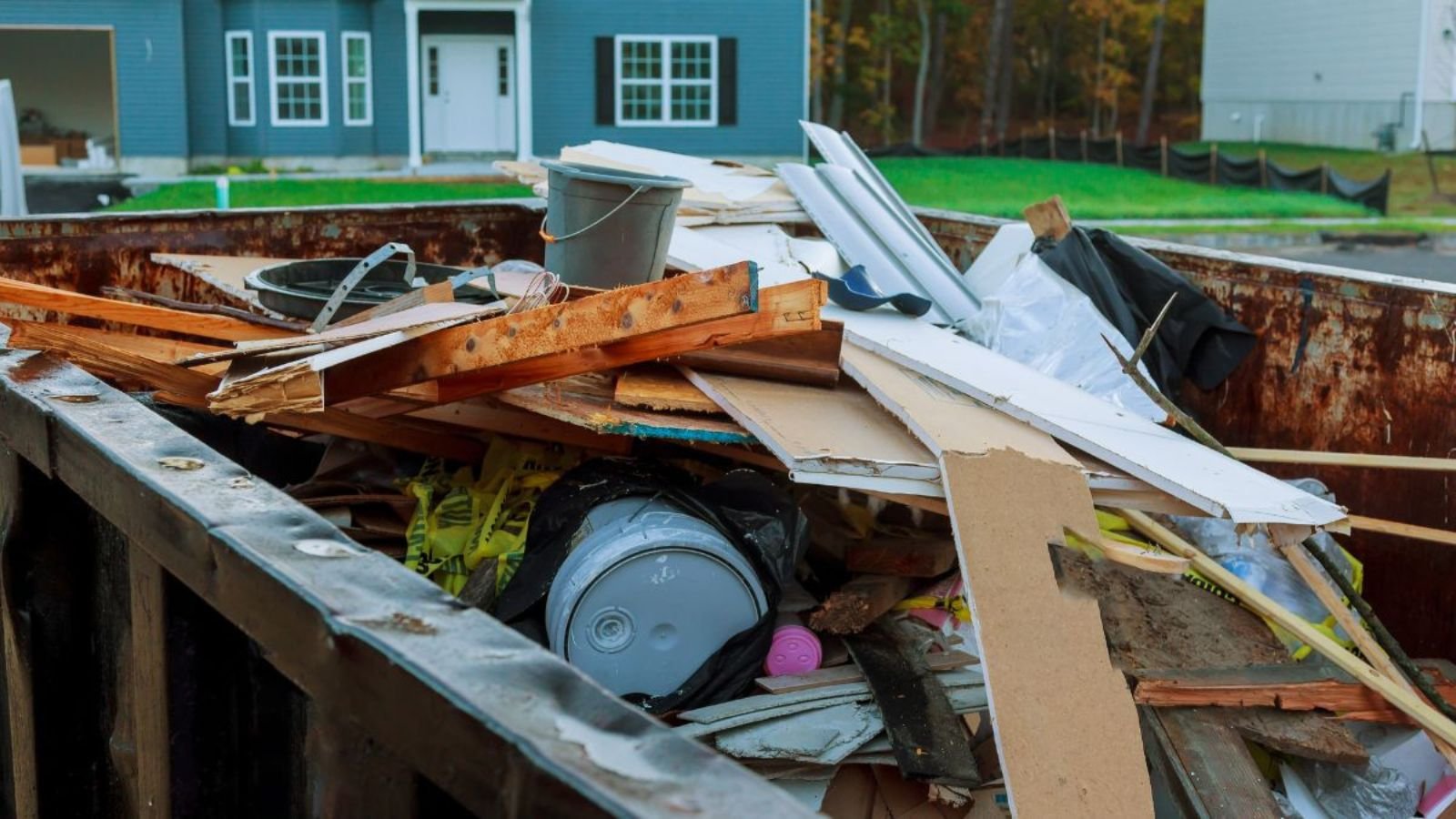
Spring cleaning often starts with good intentions and quickly turns overwhelming once bulky junk, yard debris, and unwanted items begin piling up. A roll-off dumpster gives you one centralized place to toss everything, keeping the project organized while eliminating constant trips to the dump. Instead of juggling bags, bins, and trailers, you can focus on clearing space efficiently and safely.
This guide explains how a roll-off dumpster simplifies spring cleaning from start to finish. You’ll learn why dumpsters work so well for garages, attics, yards, and full-home cleanouts, how to choose the right size, what items are allowed, and how to avoid common rental surprises. If your goal is faster cleanup with less stress, a roll-off dumpster can make the process far more manageable.
From Clutter to Clear: How a Roll‑Off Dumpster Makes Spring Cleaning Less Overwhelming
A yard roll-off dumpster brings clear benefits: it handles large, mixed debris, keeps work areas tidy, and cuts the number of trips to disposal sites. Whether for a garage cleanout, construction projects, or a spring clean, dumpsters simplify debris management.
How Roll-Off Dumpsters Simplify Decluttering
A roll-off dumpster makes it easy to toss bulky items like furniture, mattresses, carpet, and large branches without breaking them down. This saves effort and time with heavy debris.
Renters can pick the right size for the job. Common sizes are 10-, 20-, and 30-yard units, which help avoid overfilling or paying for extra space. Clear rules about prohibited items, including hazardous materials, prevent surprises at pickup.
Placing the dumpster near the work area shortens carry distances, reduces strain, and speeds up sorting. It also gives one visible spot for trash, keeping everyone on site organized.
Reducing Stress with Organized Waste Management
A roll-off dumpster provides one central place for debris, keeping trash off curbs and out of multiple bags. This reduces clutter and prevents hazards.
Scheduled delivery and pickup create a clear timeline, so projects stay on track and waste is removed on time.
Materials can be staged for recycling next to the dumpster. Separating metal, wood, and yard waste keeps recyclables cleaner and lowers disposal costs. Clear labeling or small bins also reduces sorting mistakes.
Saving Time Compared to Traditional Methods
Using a roll-off dumpster for spring cleaning reduces trips to transfer stations. One drop-off can handle a full load of mixed debris, saving hours for medium and large projects.
Work crews and homeowners move faster without stopping to load small vehicles. Continuous loading keeps momentum, letting projects stay on track.
Flexible dumpster rental periods help avoid rushed work and last-minute deliveries. Less time spent on logistics means fewer workdays and less disruption overall.
Using a Roll-Off Dumpster Effectively for Spring Cleaning
Renters should pick the right size, place the dumpster safely, sort recyclables and trash, and pack items to use space efficiently.
Choosing the Right Size for Your Project
Start by estimating the amount of waste in cubic yards. Small cleanouts often fit a 10–15 yard dumpster; full-house cleanouts, major renovations, or home renovation projects usually need 20 yard or larger containers. Measure piles of debris (length × width × height) and convert to cubic yards by dividing cubic feet by 27.
Check weight limits and local rules before booking. Heavy materials like concrete or dirt may require a heavier-duty container or additional fees. When unsure, choose one size up to avoid overfilling and extra hauling charges.
Safety Tips for Loading and Placement
Place the dumpster on level ground away from power lines and overhangs. If it must sit on a driveway, ask the company about plywood or protective boards to prevent damage.
Load heavy debris first and keep the center of gravity low. Avoid standing on the dumpster rim or throwing items in a way that can bounce back. Wear gloves, closed-toe shoes, and eye protection while loading.
Sorting Items for Recycling and Disposal
Separate materials into piles: metals, paper/cardboard, electronics, hazardous materials, and general trash. Many companies accept common construction debris but forbid batteries, paint, solvents, tires, and appliances with refrigerants.
Call the rental company or local waste authority if unsure about an item. For items that can be recycled or donated, making separate piles saves money and reduces landfill waste.
Maximizing Space Inside the Dumpster
Break down large items like furniture, boxes, and drywall to stack flat. Disassemble bed frames, remove doors from cabinets, and flatten boxes to create neat layers.
Place long, flat pieces along the sides and dense materials on the bottom. Soft items like clothing or cushions can fill small gaps. Packing strategically reduces the need for a larger dumpster and lowers the overall dumpster rental price.
Frequently Asked Questions
What size roll-off dumpster is best for a spring cleaning project?
A 10-yard dumpster suits small cleanouts like a single garage, attic, or one-room declutter.
A 20-yard dumpster fits medium-sized projects such as multiple rooms, major yard debris, or construction projects.
For whole-home cleanouts or major renovations, a 30- to 40-yard dumpster is better. Measure estimated volume in pickup-truck loads or by rough cubic feet to compare sizes.
How does a roll-off dumpster rental help simplify the decluttering process?
A rental provides one central place to toss unwanted items, cutting trips to the dump. It frees time and keeps the property tidy during sorting and removal.
It also speeds up work for hired crews. Contractors can load waste directly, which shortens project timelines and handles mixed debris efficiently.
Are there items that cannot be disposed of in a roll-off dumpster?
Yes. Hazardous materials like batteries, paint, pesticides, asbestos, and certain chemicals are usually banned. Many companies also refuse tires, large appliances with refrigerants, and medical waste. Improper items can cause additional fees.
How long can a rental dumpster be kept during a cleaning project?
Standard dumpster rental periods range from 5 to 7 days for a single fee. Many companies offer daily extensions for a small extra charge.
Confirm the allowed time with the company and note any penalties for overdue returns. Schedule delivery and pickup dates to match peak workdays.
How much does it typically cost to rent a roll-off dumpster for spring cleaning?
Typical dumpster rental price varies by size, location, and haul volume. Small 10-yard rentals often cost less, while 20- to 30-yard units raise the price due to greater capacity.
Ask for an all-inclusive quote listing rental days, weight limits, and disposal fees. That helps avoid surprise charges from overweight loads or added rental days. Using a dumpster rental service can make this process straightforward and eco-friendly.
Gretna Containers – Dumpster Rental Omaha
Our company’s goals are to provide top-notch customer service at an affordable price without compromising the quality of containers. We are Omaha’s leading provider of dumpster rentals for residential and commercial needs. Give Gretna Containers a call today or book your dumpster rental online now.