
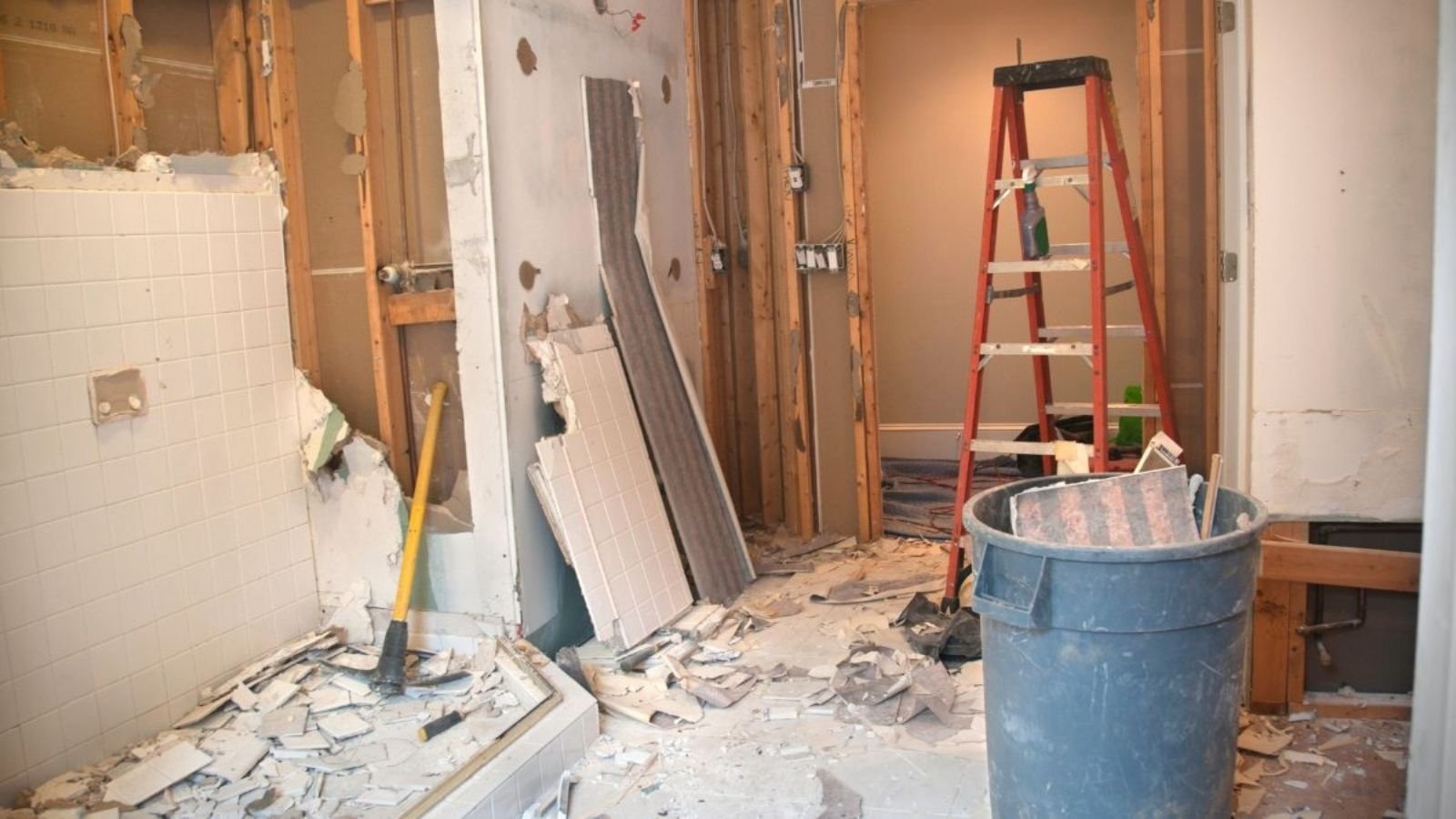
Waste management planning saves time, cuts costs, and helps avoid surprises when demolition projects begin. Planning lets you sort, recycle, and remove hazardous items safely, so less ends up in landfills, and the project runs more smoothly.
When teams inspect the site early, they can identify hazardous materials, estimate quantities, and set up separate streams for wood, metal, concrete, and salvageable items. This makes it easier to work with recycling partners, schedule equipment, and meet local rules without last-minute delays.
Knowing the plan before a single wall comes down keeps the job on schedule and protects workers and the surrounding area.
Core Reasons for Advanced Waste Management Planning
Planning sets clear routes for waste removal, assigns responsibilities, and defines how hazardous and non-hazardous streams will be handled. It ties disposal methods to permits, site safety, and cost controls so crews and managers know who does what and when.
Preventing Project Delays and Cost Overruns
Planning waste management aligns dumpster deliveries, sorting areas, and haul-off dates with demolition phases. This prevents downtime caused by missing containers, permits, or last-minute scheduling gaps.
Setting budgets early for hauling, recycling, and hazardous waste reduces surprise charges and improves cost control. Clear waste-stream rules also help crews separate materials correctly, lowering disposal costs and avoiding delays tied to improper handling or paperwork.
Improving Environmental Responsibility and Compliance
Early planning identifies regulated materials and assigns approved disposal routes and permits. This helps prevent illegal dumping, avoids fines, and supports compliance with local and state requirements through scheduled inspections and manifests.
Sorting zones, signage, and written procedures increase recycling and reduce landfill use. Disposal records, recycling rates, and receipts make compliance easy to verify, lowering risk and protecting the company’s reputation.
Enhancing On-Site Safety and Hazard Mitigation
Preplanning connects waste handling to safety protocols, PPE requirements, and emergency procedures. Clear roles for inspections, dust monitoring, and emergency response reduce injury risks and regulatory violations.
Defined equipment routes, mandatory PPE zones, and safe storage rules improve site control. Spill kits, emergency contacts, and approved disposal pathways allow quick response to incidents, protecting workers, nearby communities, and the environment.
How to Integrate Waste Management Into Pre-Demolition Planning
Planning must identify materials, assign roles, meet laws, and set clear recycling and disposal steps so the site runs safely, on time, and within budget.
Conducting a Waste Audit and Site Assessment
Before demolition begins, it’s important to understand what materials are on site and how much waste will be generated. A thorough audit helps plan recycling, disposal, and safety measures.
Key steps include:
- Survey the building: Inspect room by room for concrete, wood, metals, glass, fixtures, hazardous items, and suspected asbestos.
- Estimate quantities: Use photos, measurements, and a simple spreadsheet to calculate tonnes per waste stream.
- Check site logistics: Assess access, storage space, and proximity to recycling facilities.
- Plan equipment and containers: Map where trucks will stage and where temporary skips or bins will be placed.
- Note special conditions: Record any soil contamination or buried utilities that could affect disposal.
A clear waste audit guides the construction waste management plan and ensures the demolition project stays on schedule and compliant.
Defining Waste Management Goals and Team Responsibilities
Set specific targets: percent reuse or recycling, landfill diversion rate, and deadlines for debris removal. Tie goals to contracts, LEED points, or client requirements and state them clearly in the waste management plan template.
Assign roles: the site manager oversees work, the waste coordinator manages paperwork and haulers, and the safety staff handles hazardous materials. Include contacts and backups, and train crews on proper sorting and load checks.
Establishing Compliance with Regulatory Requirements
Following rules and regulations is essential to keep demolition projects safe and legal. Early compliance planning prevents fines, delays, and environmental issues.
Key steps include:
- Confirm regulations: Review local demolition rules, environmental laws, and required permits.
- Identify hazardous materials: Conduct certified surveys for asbestos, lead paint, and other hazardous waste.
- Plan proper removal: Arrange licensed handling and create waste manifests for any hazardous materials.
- Verify haulers and disposal sites: Ensure haulers are certified, and disposal sites have proper permits.
- Keep detailed records: Maintain waste transfer notes, manifests, and landfill or recycling receipts.
- Schedule inspections: Include inspections or approvals in the project timeline to avoid work stoppages.
Documenting compliance in the waste management plan protects the project from fines, delays, and safety risks.
Setting Up Recycling, Reuse, and Disposal Procedures
Create clear procedures for each waste stream: where to sort, how to store, and when to remove. Use color-coded bins and signage to separate metals, concrete, wood, and hazardous items. Identify local recycling facilities and confirm acceptance criteria, sizing, and tipping fees.
Plan reuse options: salvage doors, fixtures, and structural timber for resale or on-site use. Book haulers and recycling slots in advance to match the demolition schedule.
For landfill-bound material, list preferred landfills and emergency disposal routes. Include safety training, PPE requirements, and daily site cleanup steps to reduce risks and keep the site ready for inspection.
Frequently Asked Questions
What are the environmental benefits of pre-planning waste management?
Pre-planning increases reuse and recycling rates by identifying materials that can be recovered, such as metals, concrete, and usable timber. This reduces the volume sent to landfills and lowers demand for new raw materials.
It also lowers greenhouse gas emissions by cutting transport trips and avoiding energy-intensive manufacturing of new materials. When hazardous materials are found and removed early, it prevents soil and water contamination.
How does waste management planning affect cost and efficiency?
Planning lets teams estimate disposal volumes and choose the right containers and trucks, which reduces standstill time and costly last-minute hauling. Contracting recycling or crushing services in advance often lowers disposal bills.
Clear roles and a schedule prevent rework and delays. Efficient sorting on site reduces contamination fines and can generate income from sold recyclables.
Which regulations must be considered for demolition waste?
Regulations include local landfill restrictions, hazardous-waste rules for asbestos, lead, and certain paints, and transport manifest requirements. Permits may be needed for special handling, on-site storage, or off-site transfer stations.
Record-keeping and receipts for recycled or disposed materials often support compliance and may be required for audits or project close-out.
What are the best practices for segregating waste for recycling and reuse?
Set up clearly labeled bins or bays for concrete, wood, metal, plasterboard, and general waste. Place stations close to work areas to reduce cross-contamination and make sorting faster.
Train crews on what belongs in each bin and run short inspections to catch mistakes. Arrange regular pickups with recyclers and keep material quality by avoiding mixing contaminants.
How does planning reduce health and safety risks?
Advance surveys identify hazardous materials like asbestos or lead, so certified removal can occur before general demolition. Planning ensures proper PPE, containment, and air monitoring are in place when needed.
Organized waste flows reduce trip hazards and clutter. Assigning waste-handling roles and clear traffic routes for vehicles lowers the chance of accidents.
Gretna Containers – Dumpster Rental Omaha
Our company’s goals are to provide top-notch customer service at an affordable price without compromising the quality of containers. We are Omaha’s leading provider of dumpster rentals for residential and commercial needs. Give Gretna Containers a call today or book your dumpster rental online now.