
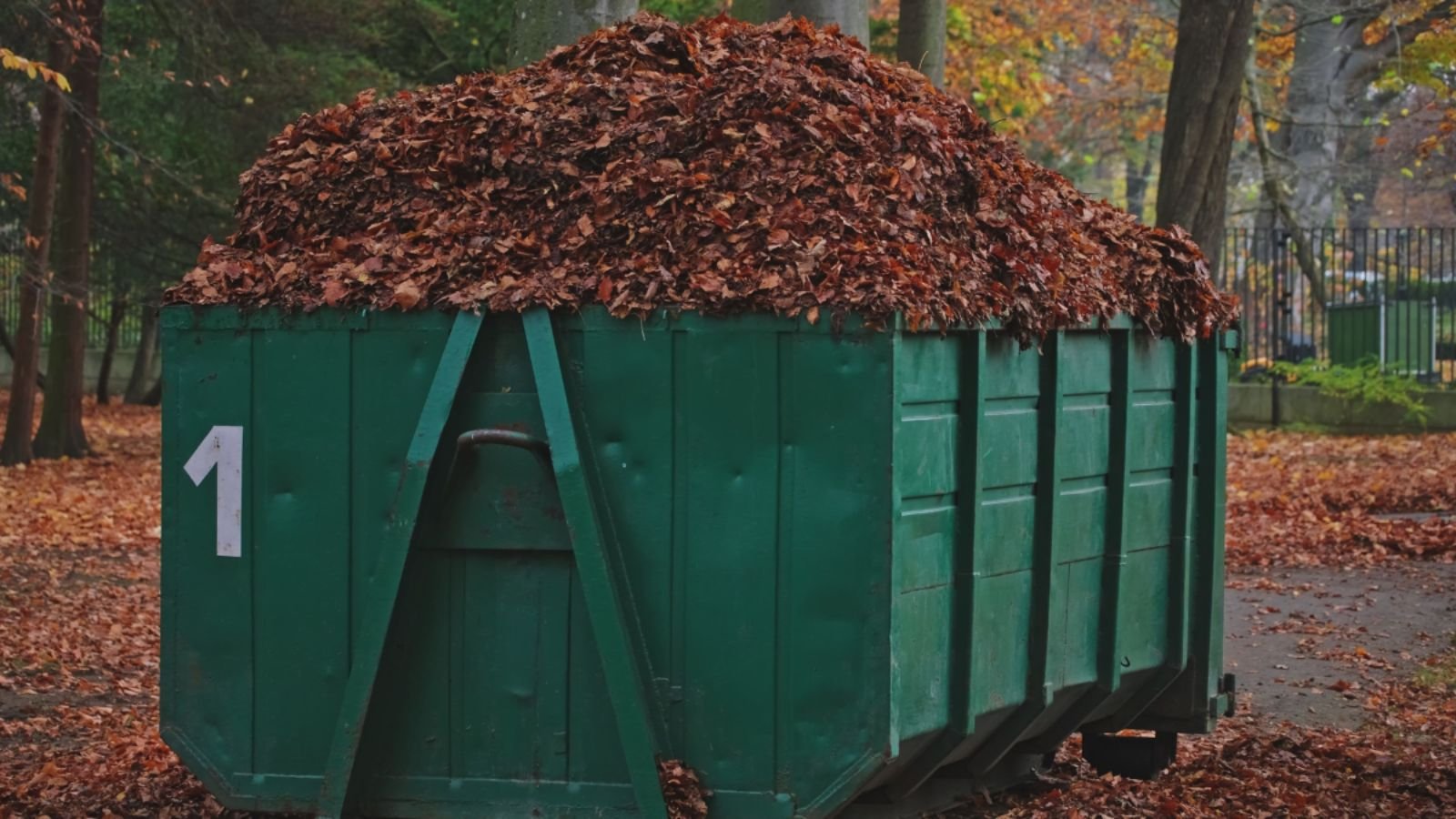
Preparing your property for winter begins with more than just adding insulation or sealing windows. It also involves clearing clutter, yard debris, and old materials that could cause damage during cold weather. Using a renting a roll off dumpster rental for cleanup makes the process easier and more efficient. This approach helps manage waste disposal safely and quickly, ensuring your property is ready for the winter months.
Many property owners use dumpsters to handle everything from construction debris to leaves during fall cleanup projects. This prevents buildup that could block pathways or create hazards in freezing temperatures. Good planning with the right dumpster size and placement can save time. It also helps reduce stress during this important preparation period.
Preparing Your Property for Winter: Dumpster Solutions for Pre-Season Cleanup
Why Pre-Season Cleanup Is Essential
Pre-season cleanup clears away debris, dead leaves, and damaged plant material that could harm the property during winter. It also helps prevent hazards around the home and reduces energy waste caused by blocked vents or gutters.
Protecting Property from Winter Damage
Removing leaves, branches, and yard debris keeps them from freezing and damaging lawns, trees, and shrubs. Debris left on the ground can trap moisture, leading to root rot or mold.
Cleaning gutters is vital to avoid ice dams, which form when blocked gutters freeze and cause water to back up under the roof shingles. This can lead to leaks and structural damage.
Pruning weak or overgrown branches reduces the risk of breakage from snow or ice, protecting roofs, windows, and outdoor equipment.
Enhancing Home Safety
Pre-season cleanup removes hazards like slippery leaves on walkways or fallen branches blocking paths. Clearing debris from stairs and driveways lowers the risk of falls during icy conditions.
Properly storing tools and equipment prevents accidents and keeps gear safe from weather damage. It also reduces clutter that could conceal pests seeking shelter around the home.
Removing clutter around the property limits hiding spots for rodents and insects that enter homes during winter for warmth.
Improving Energy Efficiency
Cleaning vents and chimneys ensures proper airflow, preventing blockages that can cause heat loss or dangerous buildup of gases indoors.
Removing debris from around HVAC units allows them to operate efficiently, lowering heating costs and improving energy savings.
Clearing gutters and trimming overhanging branches protects the roof and helps maintain proper insulation, preventing heat escape and moisture damage that can affect energy use.
Dumpster Solutions for Efficient Cleanup
Efficient cleanup depends on selecting the right dumpster size, knowing what type of debris can be disposed of, and timing the rental to fit the project schedule. These factors help avoid delays, keep the site organized, and control waste effectively.
Choosing the Right Dumpster Size
Selecting the correct dumpster size is key to efficient waste removal. Small jobs like garage cleanouts typically need 10 to 15 cubic yards. For larger projects such as roof replacements or major yard work, a 20 to 30-cubic-yard dumpster is often better.
Using a dumpster that is too small means making multiple trips or requesting extra pickups, which costs more time and money. Too large, and it may take up unnecessary space or increase rental fees.
It is helpful to estimate the volume of debris before renting. Many rental companies provide size guides or can recommend sizes based on the project type to ensure the dumpster fits the cleanup needs.
Types of Debris Suitable for Dumpster Disposal
Most household and yard debris is accepted, including wood, branches, soil, old furniture, and construction debris like drywall or shingles. However, hazardous materials such as paint, chemicals, batteries, and tires are usually prohibited.
Some dumpsters are designed for specific waste types, which can help during fall cleanup projects. Sorting debris prevents extra fees and ensures safe disposal.
It is also important to follow local regulations regarding waste disposal, as some materials require special handling or drop-off locations outside of normal dumpster rentals.
Scheduling Dumpster Rental for Maximum Convenience
Book dumpsters 1–2 weeks in advance to avoid delays during seasonal projects. Coordinate rental length with project intensity: for fast yard work, a shorter rental may suffice; for larger renovations, longer rentals are better.
Plan for a dumpster pickup soon after the job finishes. Leaving waste onsite longer than necessary can create clutter and possible safety hazards, especially as winter approaches. Confirm pickup dates clearly with the rental company ahead of time.
Step-by-Step Guide to Preparing Your Property
Preparing your property for winter cleanup involves sorting outdoor clutter, handling hazardous materials safely, and managing yard debris efficiently. The right tools, such as a dumpster, make the process smoother.
Decluttering Outdoor Areas
Gather and sort outdoor items, broken furniture, unused tools, or trash collected during the spring cleaning or warmer months.
Organize items into piles (keep, recycle, dispose) and use a dumpster for large amounts of debris. This keeps areas accessible for preparing for winter tasks.
Removing Hazardous Waste Responsibly
Items like old paint, batteries, pesticides, and chemicals require proper disposal through approved channels. Safe storage and labeling protect both workers and the environment.
Disposing of Seasonal Yard Waste
Clear yard debris, leaves, branches, and grass clippings before winter to prevent pests or damage. Use dumpsters designed for organic waste and cut large items to fit. Composting is optional for smaller waste.
Maximizing the Benefits of Pre-Season Dumpster Rental
A well-planned dumpster rental saves time, effort, and money. It keeps waste organized, reduces delays in fall cleanup projects, and supports responsible disposal practices.
Cost-Effective Waste Management
Renting a dumpster reduces the need for multiple trips to the landfill. This cuts fuel costs and saves time. Dumpsters come in various sizes to fit the scale of cleanup projects, helping avoid paying for unused space.
Many companies offer flexible rental periods ranging from seven to ten days, with options to extend if needed. This flexibility allows users to work at their own pace without extra fees.
Bulk disposal through a dumpster also lowers labor costs by making waste removal quicker. It prevents hidden expenses tied to hauling debris in small loads. Overall, dumpster rentals offer a practical way to control cleanup costs.
Streamlining Cleanup Projects
Dumpster rentals keep work areas clear by providing a single place for debris. This reduces clutter and hazards during fall yard work or renovations.
Clear space makes it easier for crews to move freely and perform tasks efficiently. Projects finish faster because waste doesn’t accumulate around the site.
Dumpsters also simplify managing different waste types, such as yard waste, construction debris, or old furniture. Many rental providers accept mixed refuse, so users do not need to sort waste extensively on their own.
Reducing Environmental Impact
Using a dumpster supports proper waste disposal methods, reducing landfill overflow. Rental companies often partner with recycling facilities to divert materials, like wood, metal, or cardboard, from waste streams.
This process minimizes harmful emissions and conserves resources. Renting a dumpster limits illegal dumping, which can damage natural habitats and pollute water sources.
Efficient disposal practices through dumpsters help property owners meet local regulations and promote responsible cleanup. This is important for reducing winter season environmental risks linked to leftover debris.
Frequently Asked Questions
What are the optimal dumpster sizes for residential winter cleanup?
Small to medium dumpsters, typically 10 to 20 cubic yards, work well. They handle common waste like leaves, branches, and debris. Larger dumpsters may be needed for major renovation or clearing projects.
How far in advance should I schedule a dumpster for pre-winter cleanup?
It is best to schedule at least one to two weeks before cleanup begins. This allows time for delivery, any adjustments, and avoids delays during the busy fall and early winter seasons.
Can I dispose of yard waste and branches in a dumpster?
Yes, most dumpsters accept yard waste and branches. However, some rental companies may have limits on large or heavy natural debris, so it is important to confirm with the provider first.
What items are prohibited in a rental dumpster?
Hazardous materials like paints, chemicals, batteries, and asbestos should never go into dumpsters. Additionally, avoid electronics, tires, and propane tanks unless the rental company explicitly allows them.
How can I protect my driveway when renting a dumpster?
Using wooden planks, mats, or gravel underneath spreads the dumpster’s weight evenly. This prevents surface damage or sinking, especially if the ground is soft or wet.
Are there specific regulations for dumpster placement?
Local rules may require permits for dumpsters on public streets or sidewalks. Placement must allow safe access and not block emergency routes. Checking city or county regulations beforehand avoids fines and complications.
Gretna Containers – Dumpster Rental Omaha
Our company’s goals are to provide top-notch customer service at an affordable price without compromising the quality of containers. We are Omaha’s leading provider of dumpster rentals for residential and commercial needs. Give Gretna Containers a call today or book your dumpster rental online now.